Evaporation or a Pool Leak?
Recognizing Pool Water Loss: Swimming Pool Evaporation vs. Leaks
Compare expected evaporation with common pool-leak warning signs, then use the calculator or bucket test to investigate the loss.
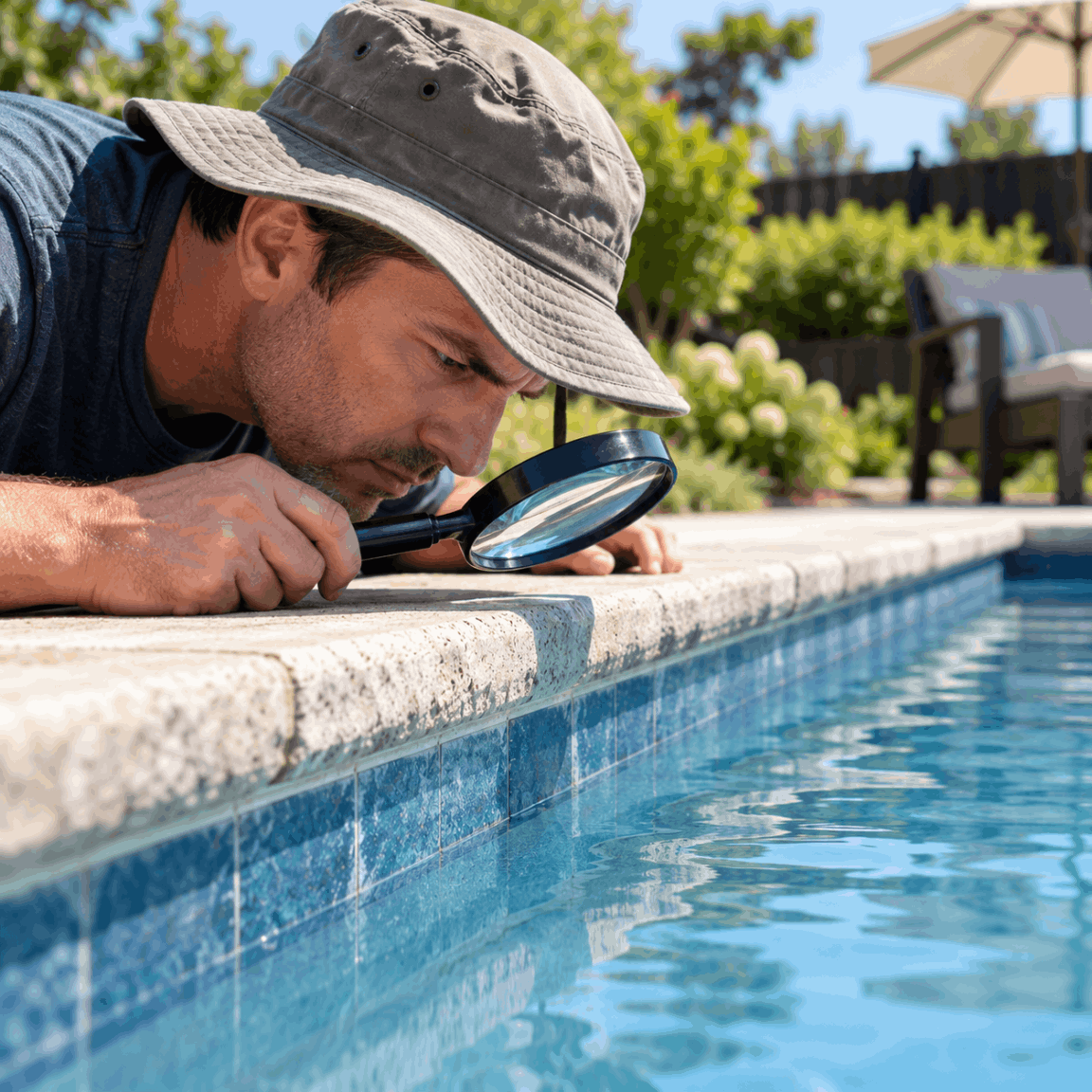
Is your pool losing water to evaporation or a leak?
- Normal evaporation changes with temperature, humidity, dew point, wind, and the pool's location.
- Loss that consistently exceeds the estimated evaporation rate may indicate a pool leak.
- Unstable chemistry, soggy ground, unexplained water loss, or structural damage are reasons to investigate further with a bucket test or professional detection.
As proud pool owners and enthusiasts, we know that maintaining a crystal-clear pool is a labor of love. However, sometimes, it can be challenging to distinguish between natural water loss due to swimming pool evaporation and a potentially costly pool leak. Fortunately, we’re here to shed light on this crucial distinction and introduce you to our new pool evaporation calculator tool. Understanding how much water you should expect to lose to evaporation is essential for effectively identifying and addressing pool leaks.
The Challenge: Swimming Pool Evaporation vs. Leaks
Pool water levels naturally fluctuate over time due to evaporation, splashing, and regular pool use. However, when the water loss becomes excessive or persistent, it may be a sign of a more serious issue—a pool leak. Recognizing the difference between these two causes is essential to avoid unnecessary expenses and water wastage.
Introducing Our Swimming Pool Evaporation Calculator:
Swimming Pool Evaporation Calculator
Our pool evaporation calculator uses the location and information you enter, together with weather data when available, to provide an estimate. Conditions in your backyard can differ from a weather station. Use the result as context, not proof that a pool does or does not have a leak.
Identifying Pool Leaks:
Understanding your pool’s evaporation rate is the first step in determining whether you might have a leak. Here are some signs to watch out for that may indicate a pool leak:
- Unexplained Water Loss: If your pool is losing water significantly faster than your calculated evaporation rate, it’s a strong indicator of a potential leak.
- Visible Cracks or Damage: Inspect your pool’s structure for cracks, fissures, or damage. These can be entry points for water leakage. Many pools have cracks that don’t leak, so this doesn’t necessarily mean your pool is leaking from the cracks, but it’s good to check.
- Altered Water Chemistry: Frequent chemical adjustments or imbalances in your pool water can be a sign of a leak, as fresh water constantly dilutes the chemicals. Many times we hear a pool technician say that they can’t keep the chemicals steady or some version of this. When you constantly fill a pool with water, it dilutes the chemicals.
- Soggy or Wet Areas: Keep an eye out for excessively wet or soggy areas around your pool deck or yard, as this may suggest an underground leak. This can also be from many other factors like irrigation or even a leak in a neighbor’s yard, but is often a swimming pool leak symptom.
Useful Resources:
To further assist you in understanding and addressing pool leaks and evaporation, we recommend exploring these informative resources:
- https://trueblueleakdetection.com/5-causes-of-swimming-pool-leak-repair/
- https://www.angi.com/articles/pool-level-dropping-it-leak-or-evaporation.htm
Conclusion:
The evaporation calculator provides a starting estimate, while a bucket test compares water loss at your own pool. If results are inconsistent or the water loss remains unexplained, share both with a pool professional.
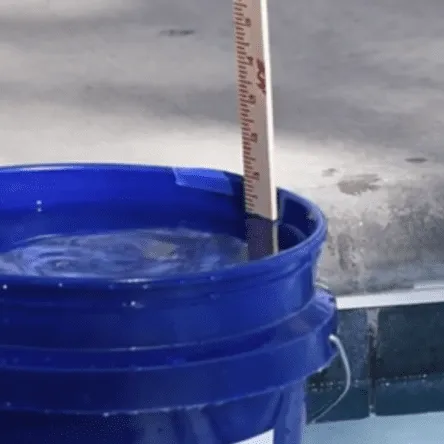
If you are worried about how much water your pool is losing, check out the calculator. And for a very different way to compare evaporation with a potential leak, make sure to check out our how to page on doing a Pool Bucket Test. The best way to compare evaporation with your pool water loss.
Thank you for choosing True Blue Leak Detection as your trusted swimming pool leak detection experts! We’re here to help you make informed decisions about your pool’s leak management and ensure your pool remains a source of joy and relaxation.
Pool Evaporation vs. Leak FAQ
How much pool-water loss is normal evaporation?
There is no single amount that applies everywhere. Temperature, humidity, wind, dew point, sunlight, and pool location all influence evaporation, which is why a local-weather calculator or bucket test is more useful than a fixed rule.
How can I compare my pool's water loss with evaporation?
Estimate the expected loss with the True Blue evaporation calculator, or perform a 24-hour bucket test that compares the pool level with water inside a bucket exposed to the same conditions.
What signs suggest the pool may be leaking?
Water loss faster than the expected evaporation rate, frequently diluted chemistry, soggy areas near the pool, or visible damage may justify further testing. None of these signs identifies the leak location by itself.
What should I do if the pool loses more than expected?
Confirm the pattern with a bucket test, note whether the pump was running, and inspect the equipment and surrounding area. Professional leak detection can then isolate the structure, plumbing, or equipment source.