Pool Leak Causes & Repair
5 Common Causes of Swimming Pool Leaks and How to Repair Them
Warning signs, common leak sources, repair considerations, and prevention guidance for residential swimming pools.
What are the most common causes of swimming pool leaks?
Five common causes are cracked plumbing pipes, damaged vinyl liners, faulty pool equipment, ground movement, and improper installation. The correct repair depends on first confirming where the water is escaping and whether the problem affects the pool structure, buried plumbing, equipment pad, or liner.
Swimming pools are a great addition to any home, providing a refreshing escape from the summer heat. However, maintaining a pool is no small feat, and leaks can be frustrating and costly. If you’ve noticed your pool losing water faster than usual, you likely have a leak.
Fortunately, most leaks can be fixed with a little bit of know-how. In this article, we’ll explore the five most common causes of swimming pool leaks and provide tips on swimming pool leak repair. From simple solutions like replacing a worn-out O-ring to more complex tasks like repairing a cracked pool shell, we’ll cover everything you need to know to get your pool back in tip-top shape.
So, whether you’re a seasoned pool owner or a new one, read on to discover the most common causes of swimming pool leaks and how to fix them like a pro.
Signs You May Need Swimming Pool Leak Repair
Before we dive into the causes and solutions of swimming pool leak repair, it’s important to know how to detect them. There are several signs that your pool may be leaking, including:
- 1. Decreased Water Level
- If you notice that your pool’s water level is continuously dropping, you likely have a leak. Remember that some water loss is normal due to evaporation and splashing, but if you’re refilling your pool more frequently than usual, you need to investigate further.
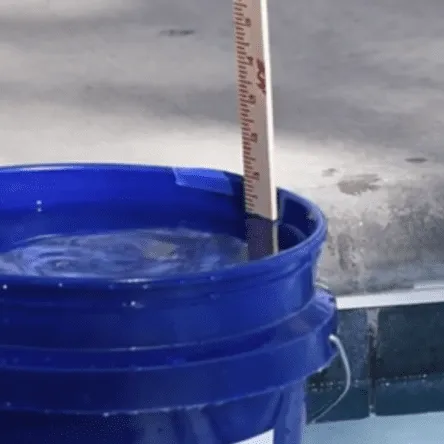
- As always, we highly recommend doing a pool bucket test. Click here to learn how to do one! 👈
- 2. Cracks in the Pool Deck
- Cracks or settling around the pool deserve investigation, but a deck crack by itself does not establish that the pool is leaking.
- 3. Excessive Water Bills
- If you have a leak, you’ll likely use more water than usual to fill your pool. This can result in higher water bills.
- 4. Algae Growth
- Recurring algae can have several causes, including water chemistry and circulation problems. It is not proof of a leak; compare measured water loss with a bucket test.
- 5. Structural Damage
- If your pool leaks for an extended period, it can cause structural damage to your pool and surrounding areas. Look for signs of cracks or damage to the pool itself, as well as to the surrounding deck or landscaping.
Common Causes of Swimming Pool Leaks
Now that you know how to detect a leak, let’s explore the 5 most common causes of pool leaks so you know which swimming pool leak repair is necessary.
- Cracked Pipes
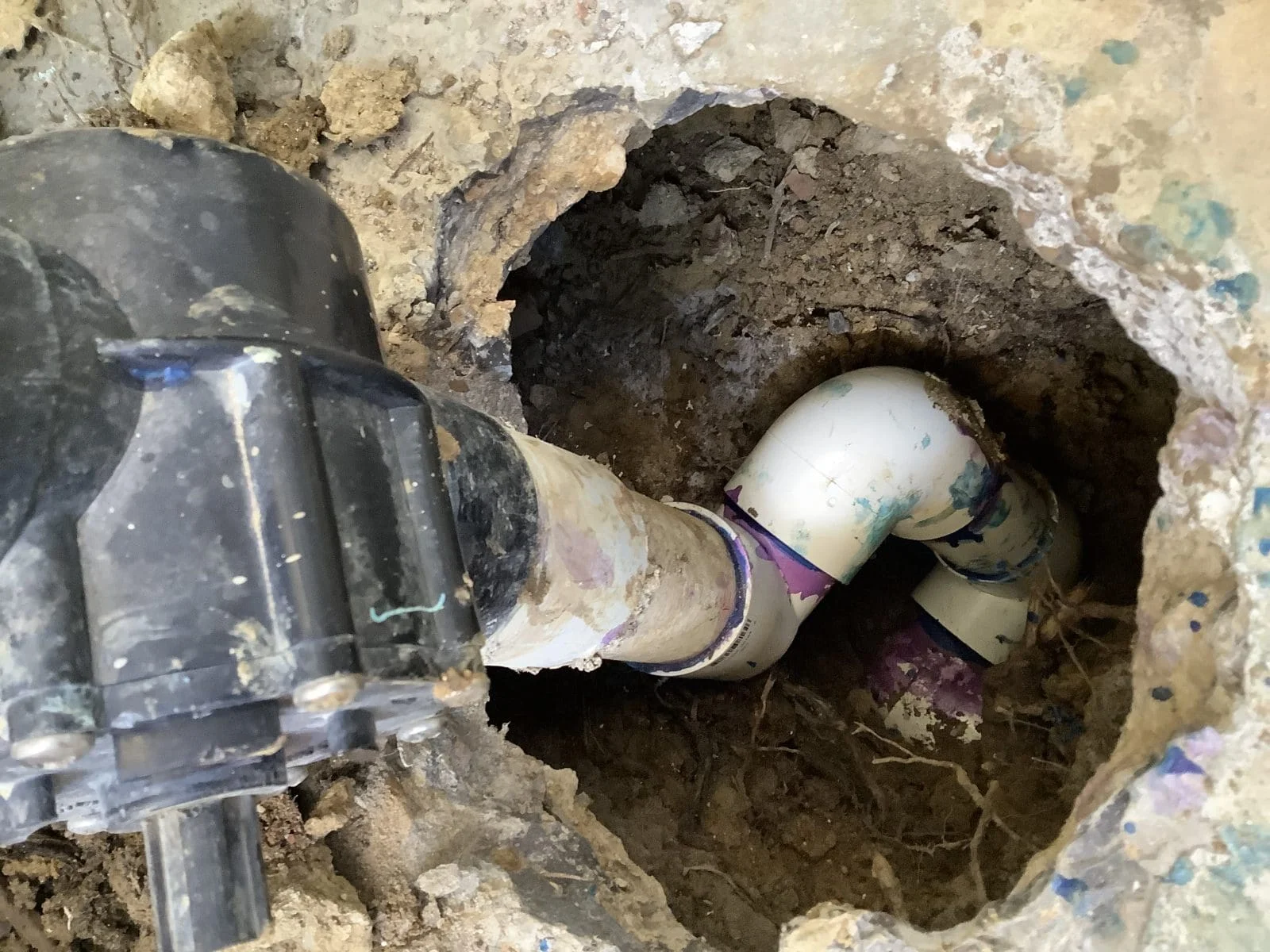
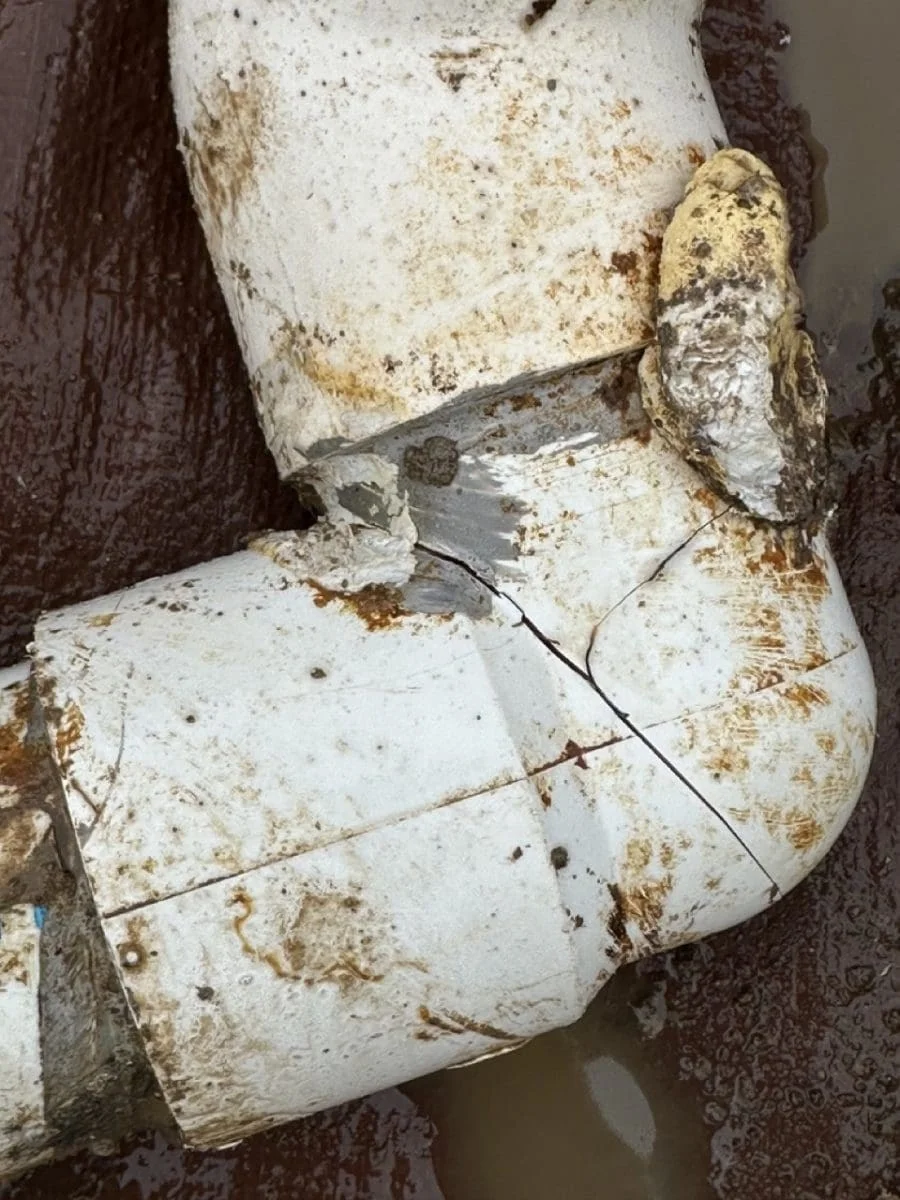
- Cracked pipes are one of the most common causes of swimming pool leaks. It can also be one of the most labor-intensive processes for swimming pool leak repair. Pipes can crack due to wear and tear or shifting soil. As a result, water can seep out and cause damage to the surrounding area. If you suspect your pool’s pipes cause the leak, it’s best to call a professional to repair it.
- To fix a cracked pipe, a professional must locate the cracked section and replace it with a new pipe. They’ll also need to pressure test the repaired section to ensure no additional leaks.
- Damaged Pool Liners
- Swimming pool leak repair extends to liners as well. Pool liners can become damaged due to age, harsh weather conditions, or improper installation. When a liner is punctured or torn, water can leak out and cause damage to the surrounding areas. Some liner patches can be installed underwater. Do not fully drain a vinyl-liner pool without professional guidance, because removing the water can damage the liner or destabilize the pool. If the damage is severe, you may need to replace the liner.
- Faulty Pool Equipment
- Faulty pool equipment, such as pumps, filters, and heaters, can cause leaks. For example, if the pump housing is cracked, then water can seep out and cause damage to the surrounding area. To fix faulty pool equipment, you’ll need to either repair or replace the damaged component.
- Ground Movement
- Ground movement can cause the soil around your pool to shift, leading to cracks in the pool shell or plumbing. This is particularly common in areas with expansive soil or where earthquakes are prevalent. You must stabilize the soil around your pool to fix ground movement issues. This may involve adding additional support or installing a drainage system.
- Improper Installation
- If your pool was not installed correctly, then it may be leaking. This can happen if the pool is not properly leveled or if the plumbing is not installed correctly. To fix improper installation issues, you’ll need to hire a professional to correct the problem.
How to Fix a Cracked Pipe
Underground pipe repair is best left to a qualified professional. Locating the break, safely isolating equipment, and making a durable repair require more than finding a wet spot. The following is an overview of the repair process, not a substitute for equipment and piping instructions:
- Locate the cracked section of the pipe.
- You will most likely need a leak detection company to pinpoint the leak underground. Even with advanced equipment, the pinpoint process isn’t always exact.
- After shutting down and safely isolating the system, the technician removes the damaged pipe section.
- The pipe and fittings are prepared according to the piping and solvent-cement manufacturer's instructions.
- A compatible replacement section is installed, allowed to cure as specified, and tested before the excavation is closed.
- Pressure test the repaired section to ensure that there are no additional leaks.
- We get most of our supplies from Anderson if you’re interested in this. Here’s a link to their site for a basic pool leak detection kit.
Remember that if you’re uncomfortable working with plumbing, it’s best to call a professional to handle the repair.
How to Fix a Damaged Pool Liner
Fixing a damaged pool liner is a straightforward swimming pool leak repair process. Here’s what you’ll need to do if you need to know how to fix a leak in a pool without draining it:
- Locate the hole or tear in the liner.
- Check out our Pool Dye Test Article to help you find a leak in your liner.
- Clean the area around the damage with a scrub brush.
- Patch the hole or tear using a vinyl liner patch kit that is approved for underwater use and compatible with your liner.
- Refill the pool with water.
If the damage is severe, you may need to replace the liner.
How to Fix Faulty Pool Equipment
Some pool leaks come from faulty equipment. The repair depends on the component and should follow its manufacturer's instructions. A general professional repair process includes:
- Shut down the equipment, prevent automatic restart, and follow the manufacturer's pressure-relief procedure before opening any component.
- Inspect the equipment for damage.
- Often, this is as easy as checking whether the ground is wet around the equipment pad.
- Replace any damaged components.
- Once the repair is complete, confirm that components, valves, and drain plugs are in the proper operating configuration before priming and restarting according to the manufacturer's instructions.
If you’re uncomfortable working with electrical equipment, it’s best to call a professional to handle the repair.
How to Fix Ground Movement
Fixing ground-movement issues will depend on the specific cause of the problem. This work is likely beyond the scope of most pool owners. Here are some general steps that you can take:
- Hire a geotechnical engineer to assess the soil around your pool.
- Stabilize the soil around your pool using additional support or a drainage system.
- This can be very expensive, but it may be worthwhile if your pool requires frequent repairs.
- Repair any cracks in the pool shell or plumbing.
Keep in mind that ground movement can be a complex issue, and it’s best to hire a professional to handle the repair.
How to Fix Improper Installation
Fixing improper installation issues will depend on the specific problem. Here are some general steps that you can take for your swimming pool leak repair:
- Hire a professional to assess the installation.
- Correct any issues with leveling or plumbing.
- Repair any damage caused by the improper installation.
Improper installation can be complex, and hiring a professional to handle the repair is best.
Preventing Swimming Pool Leaks
The best way to prevent swimming pool leaks is to keep up with regular maintenance. Here are some tips to help you keep your pool in good condition:
- Check the water level regularly and top off as needed.
- If you have an autofill, periodically turn it off for a couple of days and do a bucket test to see if your pool is leaking.
- Inspect the pool deck for cracks and repair as needed.
- Perform regular maintenance on pool equipment.
- Avoid using sharp objects or abrasive cleaners in vinyl liner pools.
- If you live in a colder area, it’s important to winterize your pool so your equipment and pipes don’t break.
- Check out our article on “Winterizing my Pool.”
By following these tips, you can help prevent leaks and keep your pool in good condition for years to come.
Conclusion
Swimming pool leaks can be frustrating and costly, but many can be fixed once the source is confirmed. By understanding the common causes of pool leaks and the available repair options, you can keep your pool in good condition and avoid unnecessary damage. Remember to keep up with regular maintenance and hire a professional to handle repairs you’re uncomfortable performing. With these tips, you can enjoy a refreshing dip in the pool all summer.
Swimming Pool Leak Repair FAQ
How do I confirm that my pool is leaking?
Start with a bucket test to compare pool water loss with evaporation. If the pool loses noticeably more water than the bucket, document the amount and whether the pump was running, then arrange focused leak testing.
Can a pool leak be repaired without draining the pool?
Some liner patches, fitting repairs, and underwater structural repairs can be completed without fully draining a pool. The safe method depends on the pool type, the material, the leak location, and the repair product being used.
Should a cracked underground pool pipe be repaired without leak detection?
Pinpoint testing before excavation can reduce unnecessary deck removal. A technician may isolate plumbing lines with pressure testing and use listening or tracer methods to narrow the repair area.
Who should handle electrical pool-equipment leaks?
Water and electricity are a dangerous combination. Shut equipment down using the appropriate disconnect and hire a qualified pool professional or licensed electrician when diagnosis or repair involves energized components, wiring, heaters, or local electrical-code requirements.