Pool and Spa Troubleshooting
Is My Leak in the Pool or Spa?
A two-stage isolation test to compare water loss and narrow the problem to the pool, spa, shared plumbing, or circulation valves.
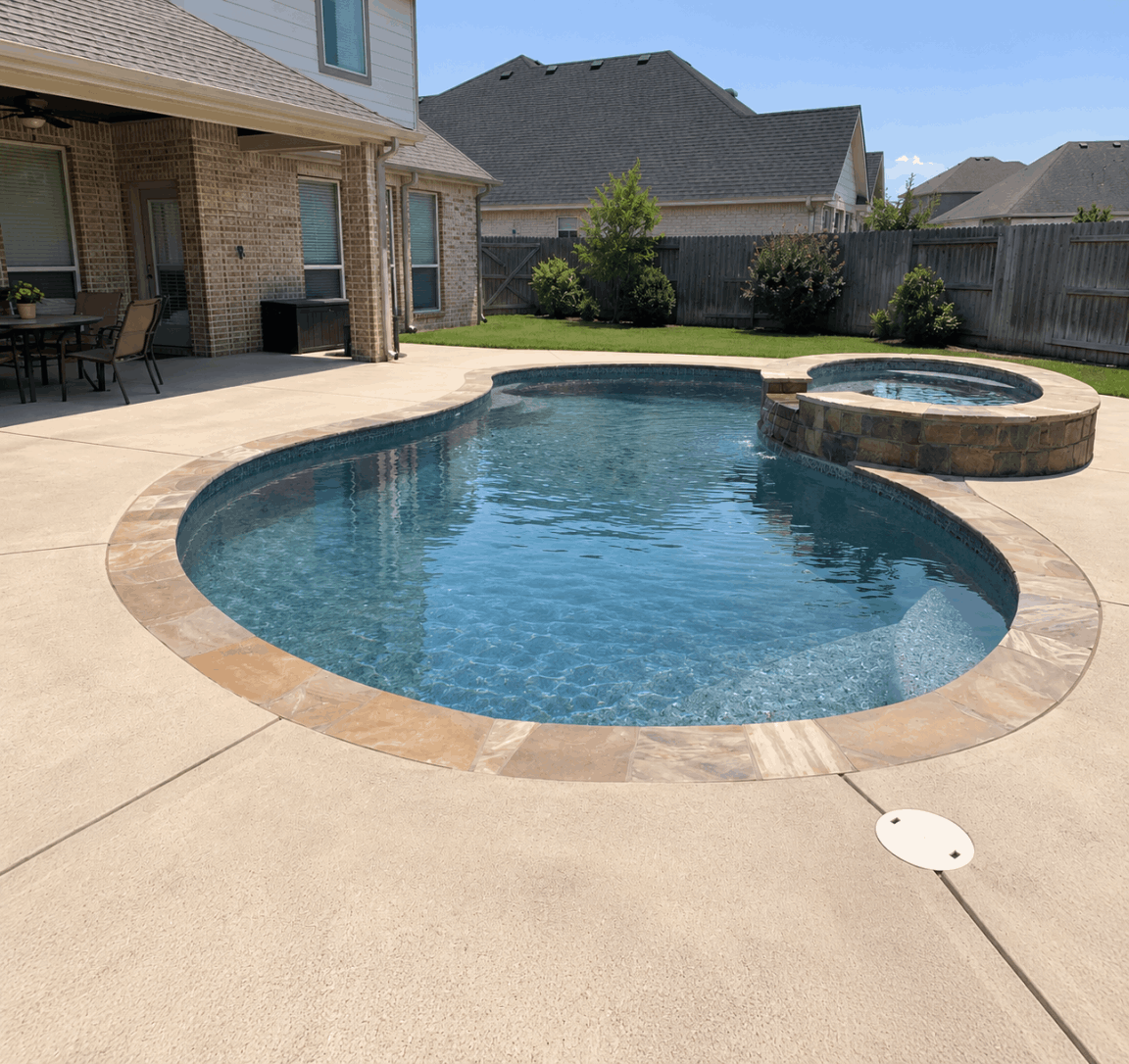
How can you tell whether the pool or spa is leaking?
Mark both water levels, isolate the spa, and run the pool by itself for 24 hours. Compare the pool and spa loss, then run the spa by itself for another 24 hours if needed. Turn the pump off before manually changing valve positions, disable automatic fill, and record rain or unusual weather so the comparison is meaningful.
If you have a pool and spa that are losing water, you may want to know which one is leaking. Whether you suspect the pool or the spa, there is one simple test you can use to narrow down where the leak is coming from.
Why should you do this test? If you narrow the leak down to the spa, True Blue may charge less for a spa-only inspection. Simply doing this test could save you money.
How to Tell Whether Your Leak Is in the Pool or Spa
Total time: about 2 days
- 1
Turn the spa completely off
Turn the spa completely off at the equipment. This is typically done by manually turning valves, although some systems use electronic controls. Turn the pump off before manually repositioning valves, and do not force motorized actuators. Here’s a quick video showing how to turn off spa circulation. Every spa is different, but this should help illustrate the process. Watch the spa-isolation video.
- 2
Run the pool equipment by itself
For the next 24 hours, run the pool equipment normally without circulating water through the spa.
- 3
Check the pool and spa levels after 24 hours
If the spa does not lose water but the pool does, the leak is likely in the pool. If the spa loses water, there is one more test to run before concluding that the spa itself is leaking.
- 4
Run the spa by itself
If the spa stays full while running in spa mode for 24 hours, the earlier water loss may point to a check valve or valve-bypass issue rather than a structural spa leak.
If the spa loses water while running in spa mode, the spa may have a leak that should be pinpointed with professional leak detection.
How do I measure the water loss in my pool or spa?
There are two ways we recommend measuring water loss in your pool or spa.
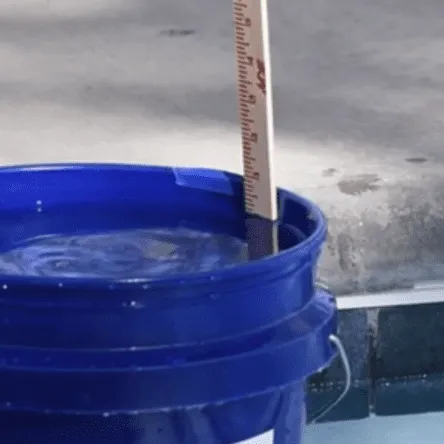
The first is a bucket test. It is simple and useful because it compares evaporation with actual pool water loss, helping you estimate how much water the pool is truly losing.
Click here for directions on how to do a bucket test.
The second method is even simpler. All you need is tape and a ruler. Place the tape at the waterline, wait 24 hours, then measure how far the water level has dropped.
There are rare situations where this test may not reveal the full picture. However, in most cases, it will help you determine whether the leak is more likely in the pool or the spa.
Feel free to call or email us with any questions. We’ll be happy to help!
How to turn off spa circulation for the test
Pool and Spa Isolation-Test FAQ
Does a spa that drops while turned off always have a structural leak?
No. Water may move through a leaking check valve, an incorrectly positioned diverter valve, shared plumbing, or a gravity-equalization path. Note where the water stops and compare the result in spa mode before drawing a conclusion.
Should the automatic water filler remain on during the test?
No. Turn automatic fill off so replacement water does not conceal the loss. Mark the pool and spa levels before each 24-hour interval and record any rain or manual refilling.
Can different evaporation rates affect the pool-and-spa comparison?
Yes. A raised spa can experience different wind, sun, temperature, and spillover conditions. A bucket test helps separate evaporation from true water loss, especially when the two bodies of water have different exposure.
When should a leak detection company test the pool and spa?
Professional testing is appropriate when measured loss exceeds evaporation, the isolation results conflict, the water stops at a fitting, or the pool or spa continues losing water after the basic valve and check-valve possibilities are reviewed.