
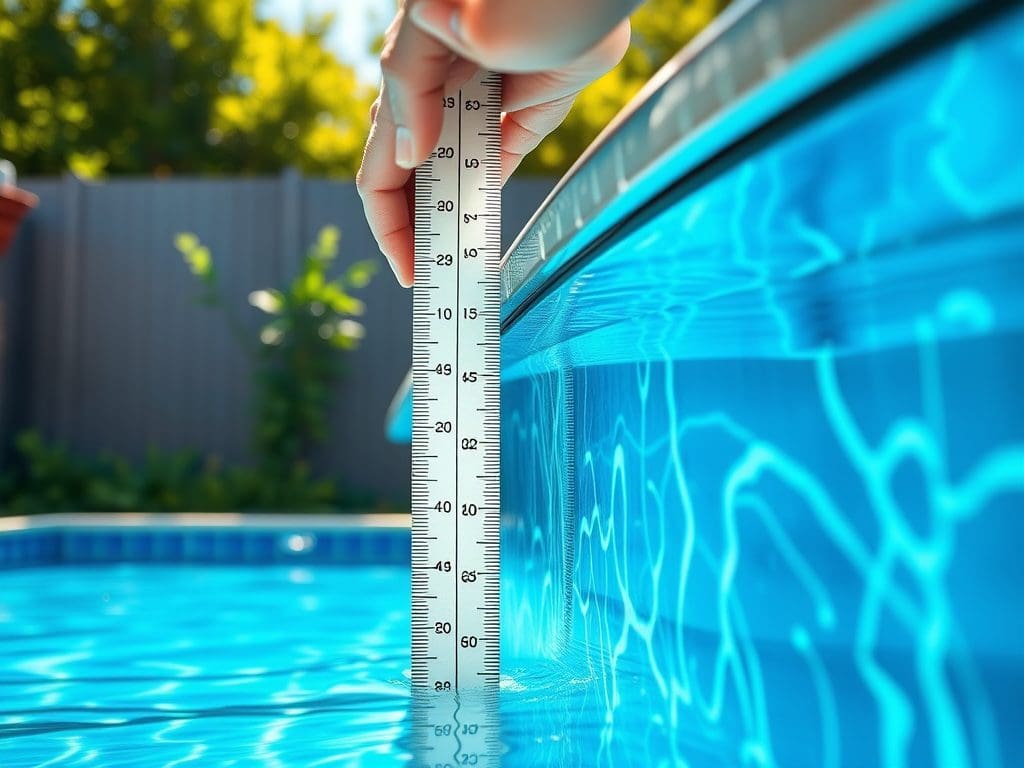
Owning a pool is a fantastic luxury, but it comes with the responsibility of regular maintenance. One of the common issues pool owners face is a potential leak. A leaking pool can lead to significant water loss, increased utility bills, and even structural damage if not addressed promptly. Identifying a leak early can save you time, money, and hassle. Here are five effective ways how to tell if your pool is leaking.
Table of Contents
1. Monitor Water Levels Closely
One of the most straightforward indicators of a pool leak is an unusual drop in water levels. While evaporation and splash-out are normal, losing more than 1/4″ to 1/2″ inch of water per day is a sign of a potential leak.

Steps to Monitor Water Levels:
- Mark the Water Level: Use a piece of tape or a waterproof marker to mark the water level on the inside of the pool.
- Measure Daily: Check the water level at the same time each day and record any changes.
- Account for Environmental Factors: Consider factors like temperature, wind, and humidity, which can affect evaporation rates. If the water level drops more than what’s typical for your climate, it could be a leak.
An Easy way to know how to tell if your pool is leaking is to have an idea of your evaporation level. You can do this by checking out our pool water evaporation calculator tool: Check it out here!
2. Perform the Bucket Test
If you’ve followed our blogs at all, you’ll you we are a bit obsessed with the Swimming Pool Bucket Test. The bucket test is a simple and reliable method to determine if your pool is losing water due to a leak rather than evaporation. This test helps you compare the water loss from your pool with that from a controlled environment (a five-gallon bucket).
Steps for the Bucket Test:
- Fill a Bucket: Fill a 5-gallon bucket with pool water to about one inch from the top.
- Place the Bucket: Set the bucket on the first or second step of the pool. Ensure the bucket is partially submerged so that the water levels inside and outside the bucket are the same.
- Mark the Levels: Mark the water level inside the bucket and the pool’s water level on the outside of the bucket.
- Wait and Compare: After 24 hours, compare the water levels. If the pool water level has dropped more than the water level in the bucket, it indicates a leak.
Here’s a more comprehensive how-to for a pool bucket test to help you know how to tell if your pool is leaking: Pool Bucket Test
3. Check for Wet Spots or Water Damage

Wet spots around your pool area, especially when it hasn’t rained recently, can be a clear sign of a leak. Similarly, water damage to surrounding structures or landscaping is another indicator for how to tell if your pool is leaking.
What to Look For:
- Soggy Ground: Areas of grass or soil that are consistently wet or mushy.
- Erosion: Noticeable soil erosion around the pool.
- Deck Damage: Cracks or lifting in the pool deck can be caused by water seeping underneath.
4. Inspect Pool Equipment
Leaking pool equipment is a common source of water loss. For how to tell if your pool is leaking outside of your pool, check your pool’s pump, filter, heater, and plumbing connections for any signs of leakage. One of the most overlooked leaks is from a faulty pool backwash valve.
Steps to Inspect Equipment:
- Pump and Filter: Look for visible drips, wet spots, or pooling water around these components.
- Heater and Valves: Inspect for corrosion or water stains, which can indicate leaks.
- Plumbing Connections: Ensure all hoses and fittings are tight and free from cracks or damage.
5. Pool Chemicals Won’t Stay Regular
One thing we hear a lot from customers and pool companies is that pools with leaks can’t keep their chemicals balanced. This is especially true with people who have autofills in their pools.
Of course, this makes sense because as your pool loses water, you will fill up your pool with fresh water. When you add the fresh water, your chemicals become diluted and they aren’t able to do the job they are meant to do.
Steps to Inspect Your Pool Chemicals:
- Listen to Your Pool Technician: They take a close inventory on how your chemicals work, and how much they should be using for a normal pool. If the chemicals are off, they’ll let you know.
- Pool Clarity: If your pool chemicals are off, you’ll be able to tell fairly quickly if your pool becomes cloudy, green, or grows algea when it shouldn’t be.
If your pool is green, before you call a leak detection expert, check out this great article from poolwerx
6. Dye Testing for Structural Leaks
If you suspect a structural leak, a dye test can help pinpoint the exact location. This involves using pool dye slowly into suspicious leaking areas.
Steps for Dye Testing:
- Turn Off the Pump: Ensure the water is still to make it easier to see where the dye goes.
- Apply Dye: Squirt a small amount of dye near suspected leak areas, such as cracks, seams, or around fittings.
- Observe the Flow: Watch closely to see if the dye is drawn into the crack or fitting. If it is, you’ve found the leak.
Here’s a link to the dye that we use for finding leaks with a pool dye test: Leakmaster BLUE DYE 8OZ Pool Dye
Preventive Measures and Professional Help
Regular maintenance and detection are key to preventing leaks. Here are some preventive measures:
- Routine Inspections: Regularly check your pool and equipment for signs of wear and tear.
- Proper Chemical Balance: Maintain the right chemical balance to prevent damage to the pool surface and equipment.
- Winterizing: If you live in a colder climate, ensure your pool is properly winterized to prevent freeze damage.
If you’re unable to locate the leak or it’s in a hard-to-reach place, it’s best to call a professional. A pool leak detection service can accurately locate and repair leaks, ensuring your pool remains in top condition.
Conclusion
Knowing how to tell if your pool is leaking can save you from costly repairs and water waste. By monitoring water levels, performing simple tests like the bucket test and dye test, and inspecting your equipment and surroundings, you can detect leaks early and address them promptly. Regular maintenance and professional assistance, when needed, will keep your pool in excellent shape for years of enjoyment.
One thought on “6 Simple Tips on How to Tell if Your Pool is Leaking”