DIY Pool Leak Detection
7 Practical Pool Leak Detection Tips
Seven practical checks for identifying unusual pool water loss, narrowing the likely source, and knowing when to call a professional.

What are the best ways to check a pool for leaks?
- Monitor daily water loss and compare it with normal evaporation.
- Run a 24-hour bucket test, then inspect equipment, the pool shell, skimmers, returns, and visible plumbing.
- Note air bubbles or inconsistent levels and call a professional when DIY checks cannot isolate the source.
Maintaining a swimming pool can be a rewarding but demanding task. One of the more challenging aspects of pool maintenance is dealing with leaks. Pool leaks can lead to significant water loss, increased utility bills, and potential damage to the pool and surrounding areas if not addressed quickly. Detecting a leak early can save you time, money, and frustration. To help you in your pool journey, we’ve compiled seven essential pool leak detection tips to help you identify and address leaks in your pool.
1. Monitor Water Levels
One of the most straightforward pool leak detection tips is to keep a close eye on your water levels. Pools naturally lose water due to evaporation, splash-out, and backwashing. However, if you notice a substantial drop in water levels over a short period, you may have a leak.
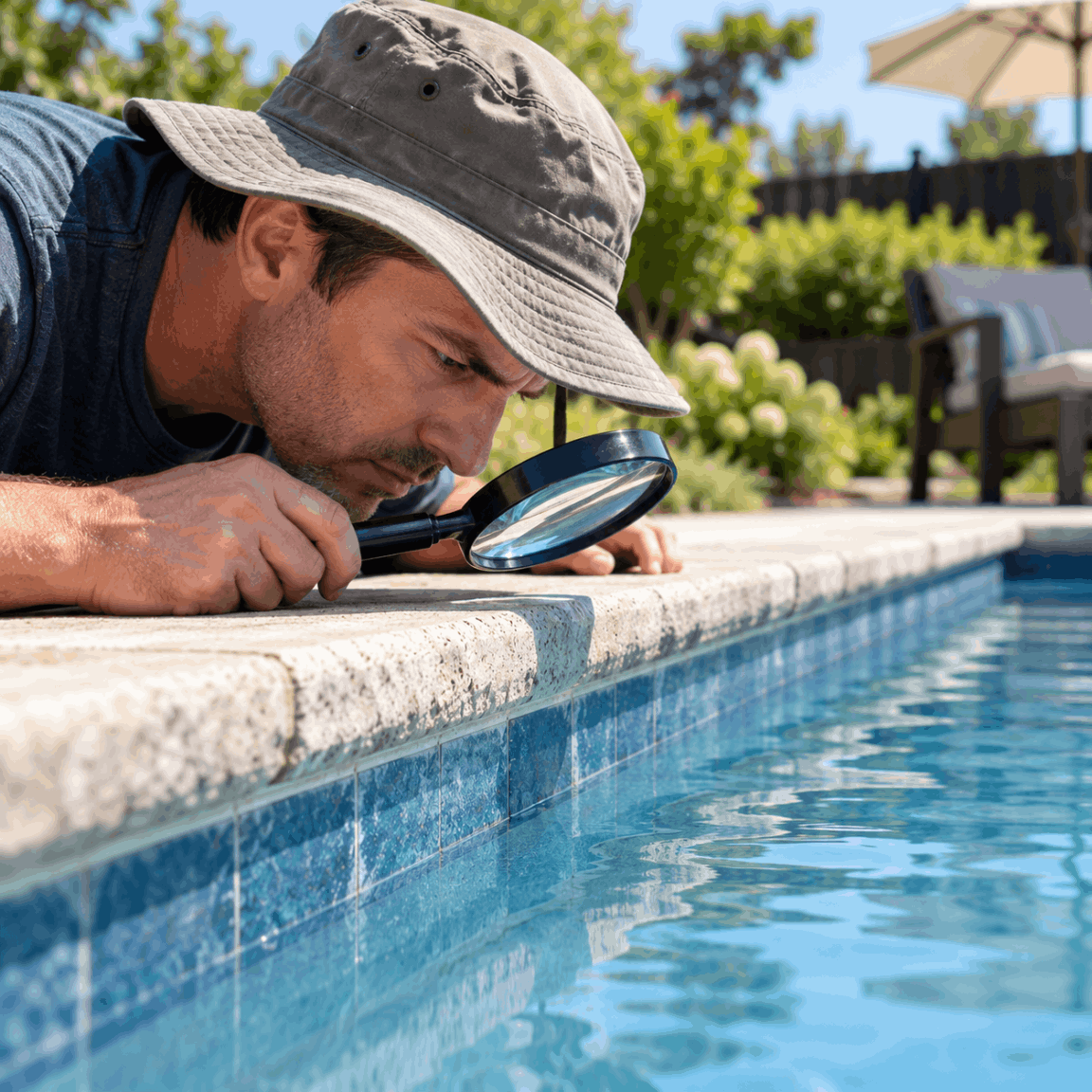
How to Monitor Pool Water Loss:
- Mark the Water Level: Use a piece of tape or a waterproof marker (non-permanent) to mark the water level on the inside of the pool.
- Measure Daily: Check the water level at the same time each day and record any changes. Do this daily if you suspect a leak; otherwise, it is still good practice to monitor the water level regularly.
- Consider Environmental Factors: Take note of weather conditions such as high temperatures, wind, and humidity, which can accelerate evaporation.
There is no universal daily-loss threshold that proves a leak. Weather, pool use, and maintenance can all affect the level. If the loss seems unusual, use the bucket test below to compare the pool with evaporation under similar conditions.
2. Perform the Bucket Test
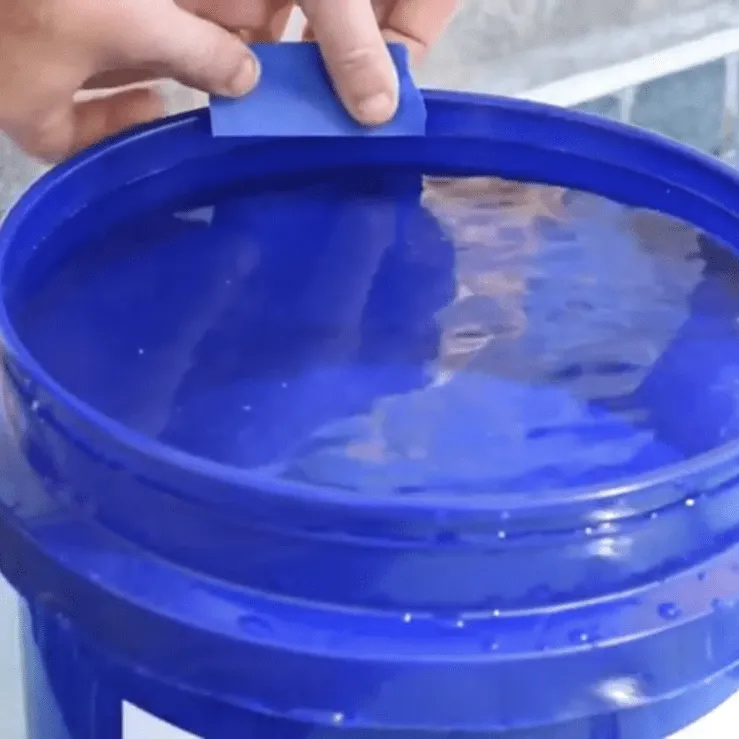
This is one of our favorite pool leak detection tips. The bucket test is a simple and reliable method for determining whether your pool is losing water because of a leak or normal evaporation.
It is simple, produces quick results, and usually costs nothing.
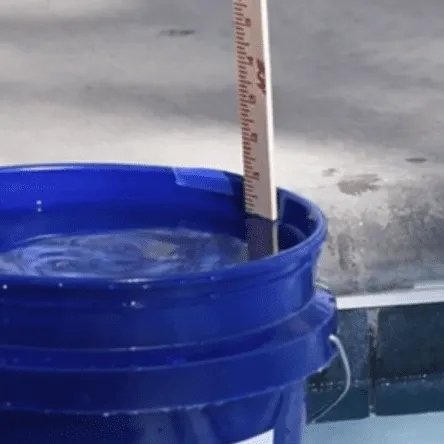
The bucket test compares the evaporation rate inside the bucket with the amount of water lost from the pool.
Steps for the Bucket Test:
- Fill a Bucket: Fill a 5-gallon bucket with pool water to about one inch from the top.
- Place the Bucket: Place the bucket on a pool step, ensuring the water level inside the bucket matches the pool water level outside the bucket.
- Mark the Levels: Use a waterproof marker or tape to mark the water level inside the bucket and the pool water level outside the bucket.
- Wait 24 Hours: Let the bucket sit for 24 hours, then compare the two water levels. If the pool water level has dropped more than the bucket level, you likely have a leak.
For complete instructions, read our step-by-step pool bucket test guide.
3. Inspect the Pool Equipment
This may be the most frequently overlooked tip. Pool equipment—including the pump, filter, heater, valves, and plumbing connections—can develop leaks over time, so inspect these components regularly.
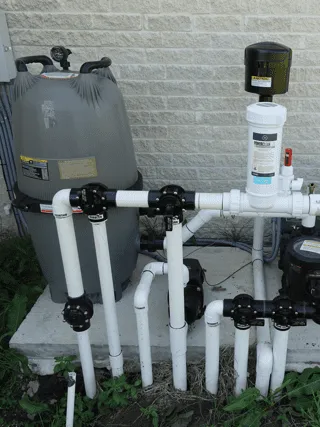
Steps to Inspect Equipment:
- Pump and Filter: Look for visible drips, wet spots, or pooling water around these components.
- Heater and Valves: Inspect for corrosion or water stains, which can indicate leaks.
- Plumbing Connections: Ensure all hoses and fittings are tight and free from cracks or damage.
Poolwerx also offers guidance on keeping pool equipment in good condition.
4. Check the Pool Shell
Cracks or damage in the pool shell can lead to significant water loss. Thoroughly inspecting the pool’s structure is an essential but often overlooked part of leak detection.
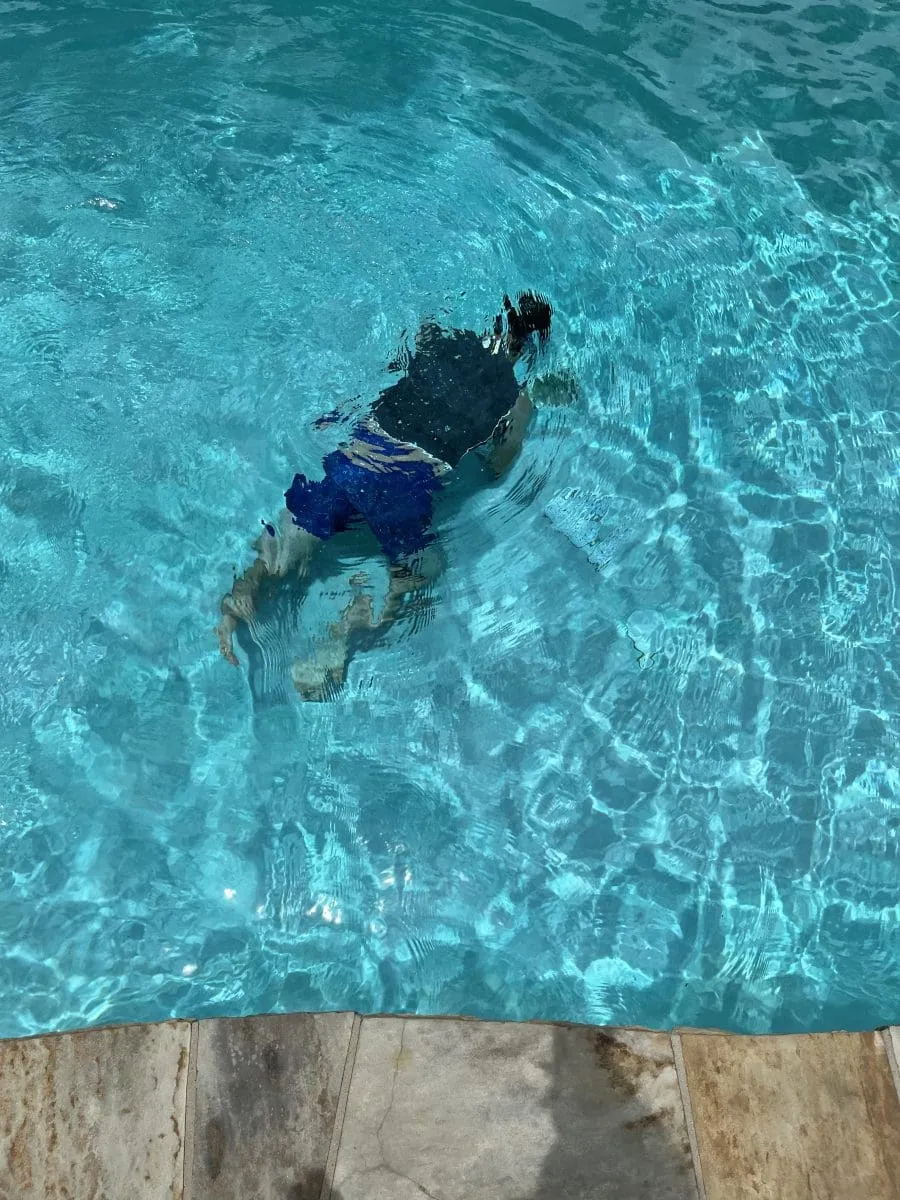
Steps to Check the Pool Shell:
- Inspect for Cracks: Walk around the pool and examine the walls and floor for visible cracks or damage.
- Check for Loose Tiles: Look for loose, cracked, or missing tiles, which can be a sign of underlying structural issues.
- Test with Dye: Use pool dye or food coloring to test suspected areas. Squirt the dye near cracks, seams, or fittings and watch if it gets drawn into a particular spot.
5. Examine the Skimmer and Return Lines
The skimmer and return lines are common sources of leaks. Inspect these areas closely as part of your pool leak detection routine. This is one of the pool leak detection tips that may take a keen eye.
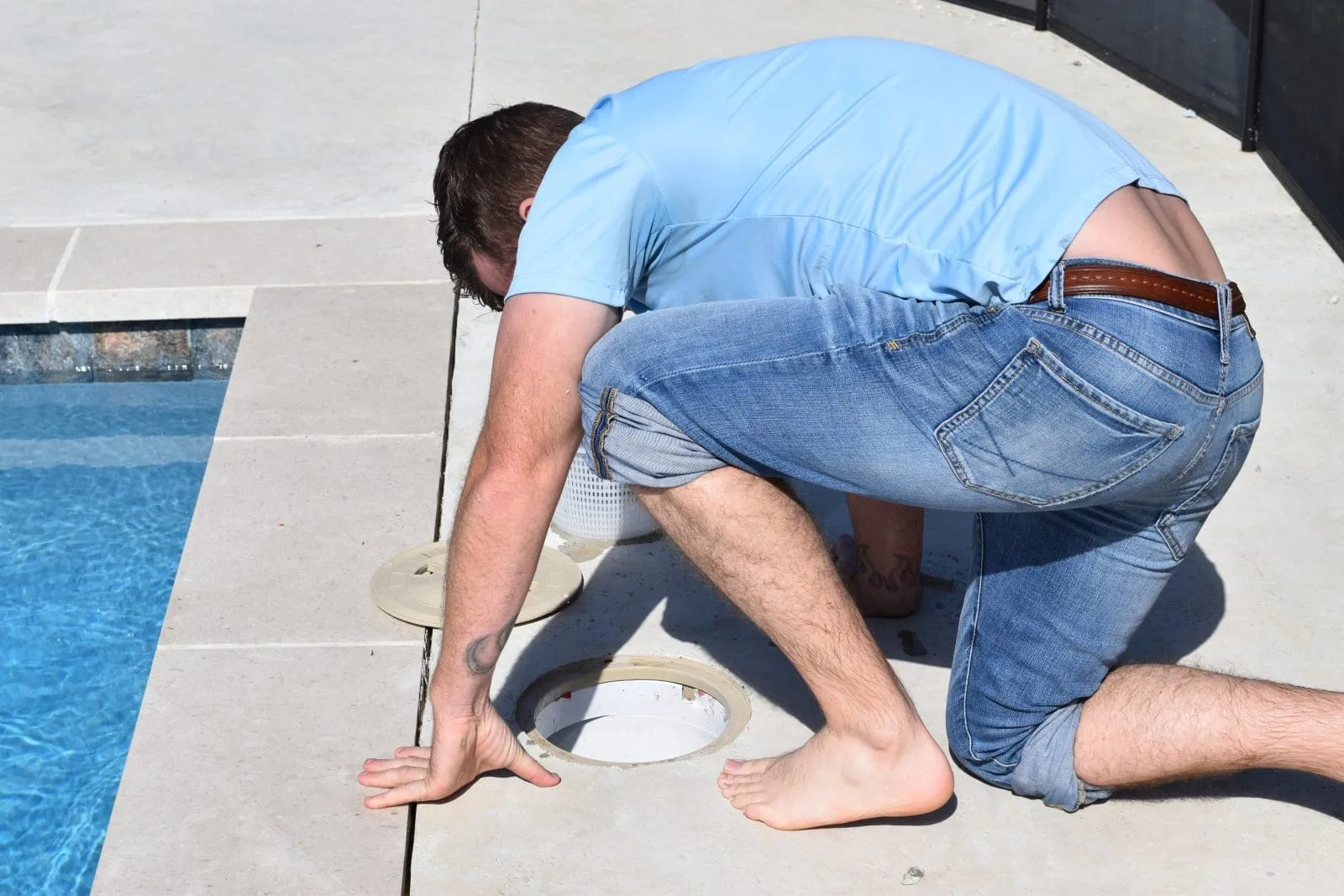
Steps to Examine:
- Inspect the Skimmer: Look for cracks or damage around the skimmer. Check that the basket and weir door operate properly, and inspect the skimmer throat—the opening between the pool shell and the skimmer housing—where cracks commonly develop.
- Check Return Fittings: Inspect the visible return fittings in the pool and connections at the equipment pad for damage or wet areas. Underground return lines generally require pressure testing to evaluate.
6. Assess the Pool’s Plumbing System
Leaks in the pool’s plumbing system can be challenging to detect but are often indicated by air in the system or inconsistent water levels.
This part of the inspection may require professional help. Before calling, note whether air bubbles are coming from the return jets and whether air is visible beneath the clear pump lid.
Persistent air bubbles usually mean air is entering the circulation system on the suction side. Possible causes include a low water level, a stuck skimmer weir, a loose pump-lid seal, or a leak in a suction-side fitting or pipe. A pressurized return-line leak normally loses water while the pump is running rather than drawing air into the system.
Bubbles do not prove that a pipe is broken, but their location and timing are useful details to share with a professional.
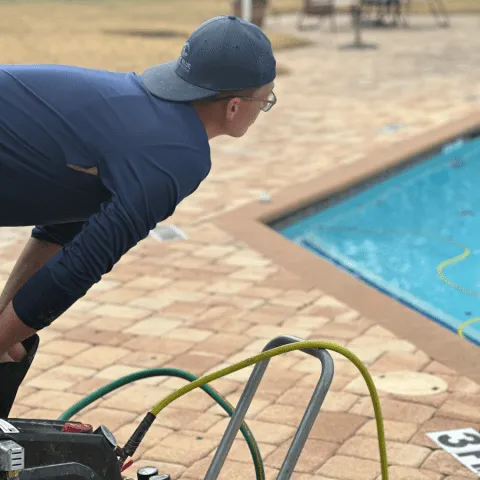
Steps to Assess Plumbing:
- Pressure Test: If you suspect a plumbing leak, consider hiring a professional to conduct a pressure test on the system. This test can identify leaks in underground pipes.
- Inspect Visible Plumbing: Look for visible leaks, wet spots, or damaged pipes around the equipment pad.
7. Professional Leak Detection Services
If you have completed the DIY checks and the pool is still losing water, call a professional pool leak detection company. Some leaks are difficult to locate without specialized testing. A professional can use advanced tools and techniques to identify the source accurately and recommend the appropriate repair.
Benefits of Professional Services:
- Advanced Equipment: Professionals use tools such as electronic listening devices, pressure-testing equipment, and specialized dyes to find leaks that are not visible to the naked eye.
- Expertise: Experienced technicians can quickly diagnose and repair leaks, saving you time and preventing further damage.
- Comprehensive Inspection: Professionals will thoroughly inspect all potential leak points, including the pool structure, plumbing, and equipment.
Swimming Pool Leak Preventive Measures and Maintenance Tips
Regular maintenance and preventive measures are essential to minimize the risk of leaks and ensure the longevity of your pool:
- Regular Inspections: Conduct routine inspections of your pool and equipment to catch potential issues early.
- Maintain Proper Water Chemistry: Balanced water chemistry prevents damage to the pool surface and plumbing, reducing the risk of leaks.
- Proper Winterization: In areas with cold winters, ensure your pool is properly winterized to prevent freeze damage.
- Professional Maintenance: Schedule regular maintenance with a professional pool technician to ensure all components are in good working condition.
Conclusion
Knowing how to detect pool leaks is crucial for maintaining your pool in optimal condition. By following these pool leak detection tips, you can identify and address leaks promptly, preventing costly repairs and water loss. Regular maintenance and professional assistance will help keep your pool in excellent condition, providing years of enjoyment and relaxation. If you suspect a leak and cannot locate it yourself, don’t hesitate to seek professional help to ensure your pool remains a refreshing oasis.
Pool Leak Detection Tips FAQ
How much daily pool-water loss may indicate a leak?
There is no single normal daily loss for every pool. Wind, temperature, humidity, pool activity, and maintenance all matter. Use a bucket comparison rather than an inches-per-day threshold alone.
What is the best first DIY pool-leak test?
A 24-hour bucket test is the most useful first comparison because it shows whether the pool is losing more water than an exposed bucket under the same conditions.
Do bubbles in pool jets prove there is a plumbing leak?
No. Bubbles can be a useful diagnostic clue, but the article notes that they do not necessarily prove a broken pipe. Record where the bubbles appear and share that information with the technician.
When should I call a professional leak-detection company?
Professional testing is appropriate when the bucket test confirms a leak but inspections and dye testing do not locate it, or when underground plumbing needs pressure testing.